

How to use WhatsApp to talk to your loved ones
How to use Whatsapp to talk to your loved ones
Simple:
- Install Whatsapp on your phone.
- Tap on Whatsapp.
- Tap on the contact you want to call.
- Tap on the movie camera icon.
- You’re on!
How to use Skype to talk to friends and loved ones
How to use Skype to talk to friends and loved ones.
- Check for a webcam.Be sure your computer has a webcam. On most laptops, the webcam will look like a small hole in the top border of the screen.
- Install Skype.Depending on whether or not you have a Mac or a PC, the download link is different.
- For Windows users:Go to this link: http://www.skype.com/en/download-skype/skype-for-computer/. Click on the green button that says, “Get Skype for Windows Desktop.”
- For Mac users:Go to this link: http://www.skype.com/en/download-skype/skype-for-mac/. Click on the green button that says, “Get Skype for Mac.”
- Follow installer instructions.The Skype download should start automatically and the installer will guide you through how to install the program.
- Open Skype.After the program is finished installing, open up Skype. If you have trouble finding the program, follow these instructions for Mac or PC.
- For Windows users:Press your Windows key (left of Alt key), type “Skype” and press ↵ Enter.
- For Mac users:Open up Finder, search for “Skype,” then click on the program
- Click on a contact.In the left side of your screen, you will see a list of contacts if you have added any. Click on the name to open up a conversation with that person.
- If you haven’t added any contacts, you will first have to add at least one. Ask for a friend’s Skype ID, click Contacts in the upper left of the window, click Add Contact in the dropdown menu, then type your friend’s Skype ID.
- Start a video call.To start a video call, you must first be in a conversation with a contact. The instructions are slightly different for Mac and PC users.
- For Windows users:Click on the icon in the upper right corner of the window that looks like a video camera. It should be a blue circle with a white video camera inside.
- For Mac users:Click on the icon in the upper right corner of the window that looks like a video camera. It should be a green circle with a white video camera inside. Depending on your version of Skype, the icon may instead simply say, “Video Call.”
- You may be asked for permission for Skype to use your video camera, click “Allow” if you are comfortable with Skype having access to your camera.
- End the call when done.End the call by pressing the red button on the bottom of the video call window. The icon looks like a red circle with a white phone inside of the circle.
- You may need to move your cursor around the inside of the video call window to reveal the hang-up button.
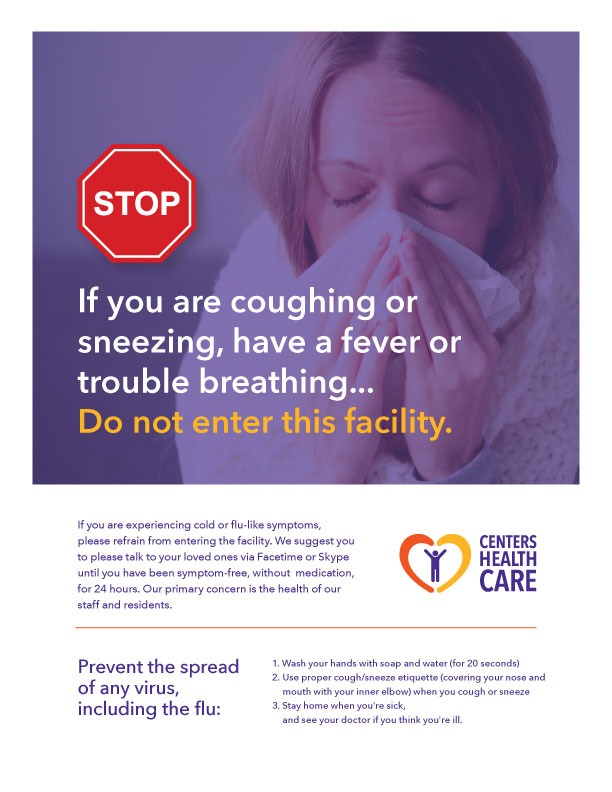
Coronavirus Notice:
Carthage Center for Rehabilitation and Nursing on How to Avoid Surprise Out-of-Network Medical Costs
According to an Ipsos survey of over 1,200 adults over the age of 60 that was conducted in early 2019, healthcare costs exceeding their retirement income was the second-greatest concern of that group.
After being worried about their physical health (64 percent), the rising cost of healthcare was next at 56 percent.
One of the go-to ways of keeping healthcare costs down is by making sure you are exclusively seeing providers that are in-network for your insurance provider.
Carthage Center for Rehabilitation and Nursing would like to detail how you can make sure you’re staying in-network, and what to do if you receive an out-of-network charge.
See In-network Providers
Be vigilant about seeing only in-network providers. Call ahead to make sure that any new doctors, specialists, or labs fall within the scope of your insurance. You can also find this information on your insurance company’s website. If you want to call the specific provider, have your insurance card handy, as all the information that is required will be on the card. Be sure to confirm with the representative that every provider you might see at the facility falls within your network. Just because your primary care physician is in-network, it doesn’t mean that your bloodwork or X-ray might be covered.
What to Do if You Get a Surprise on Your Bill
Even the most vigilant might get a surprise out-of-network charge on their bill. Here are three things you can do that oftentimes remedies the situation.
- Call the billing department that’s listed on the bill. Sometimes typos do occur and the wrong billing code may have been inputted.
- Your state may have laws protecting you against surprise medical billing. Call your state’s insurance commission for more information.
- If those measures fail, call the provider in question and ask if they can waive or lower the charge.
Carthage Center for Rehabilitation and Nursing with 4 Ways to Combat Autumn Anxiety
We in Northern New York tend to make the most out of the summer months because we know what we’re in store for.
Just because we know what lies ahead, however, doesn’t make it any easier.
Seasonal Affective Disorder (SAD) is generally thought of as being in February and March when the string of gray days seems never-ending, but it can occur during the transition from summer to fall as well.
It’s believed that the decrease in sunlight is the primary cause of anxiety and depression during this time of year, possibly due to a vitamin D deficiency.
Carthage Center for Rehabilitation has four things you can do to help combat the autumn blues.
- Get as Much Sunlight as Possible
Make the most of the sunlight that is available, even if you have to get up earlier than usual to accomplish it. You can also use a light box that gradually increases in intensity, so it can simulate the sun rising even if you wake up while it’s still dark.
- Maintain Regular Exercise
If you get out and about more during the summer months, do everything you can to maintain that routine in the fall. You may have to look into attending a gym once the weather gets nasty but try to be physical for 30 minutes a day.
- Find Something New
Mark the season by starting a new activity, hobby, spruce up the house – anything that involves something that you can look forward to. This can even include enjoying fall treats like cider, comforting soups, and, yes, even a popular pumpkin spice latte!
- Find Some Help
If you feel that you routinely get down at this time of year, it may be something that cognitive behavioral therapy (CBT) under the care of a psychologist can improve. Also, talk to your doctor to see if antidepressant medication may be right for you.
Carthage Center for Rehabilitation and Nursing on Complications from Having an Open Wound
Wound care is of the utmost concern for professional and at-home senior caregivers alike. Fragile skin in elderly people can lead to an increase in wounds and bruising.
The keys to proper wound care are fast treatment and knowing the signs to get care from a doctor.
Carthage Center for Rehabilitation and Nursing wants to describe the two major complications that come from wounds — infection and bleeding.
Bleeding (Hemorrhage)
If the wound continues to bleed despite the application of direct pressure for 20 minutes, you will want to seek medical attention.
Infection
As a wound begins to heal, there are telltale signs of infection. Those signs include:
- Increase in drainage.
- Green, yellow, or brown pus.
- Foul odor.
- Increase in swelling, tenderness.
- Additional redness, warm to the touch.
If you suspect a wound is infected, it’s time to see the doctor. They may drain the wound and will likely prescribe antibiotics to help clear up the infection. That should prevent more serious complications from taking place.
Other complications from open wounds include:
- Lockjaw. This is caused by an infection from the bacteria that cause tetanus, which is especially of concern for puncture wounds.
- Cellulitis. A skin infection that occurs away from the wounded area.
Take Quick Action
Immediately cleaning a wound with soap and water and providing the appropriate dressing will, more often than not, prevent infection and further complications.
Carthage Center for Rehabilitation and Nursing Explores the Potential Link Between Increased Napping and Alzheimer’s
Scientists from three universities found that increased, excessive napping could be a very early warning sign of Alzheimer’s disease.
The research was recently published in Alzheimer’s & Dementia – the Journal of the Alzheimer’s Association.
The researchers found while studying the brains of 13 deceased Alzheimer’s victims that what’s called wakening neurons were largely destroyed. The loss of neurons were found in the three areas of the brain that is charged with keeping us awake.
Napping is Fine if it’s Part of Your Routine
Researchers are quick to point out that if you are someone who naps regularly, this news shouldn’t be of concern to you.
“It only gets worrisome when it represents a change,” Lea Grinberg, professor of neurology at the University of California San Francisco, told USA Today. “For instance, in some cultures, it is pretty common to nap every day. That is quite okay.”
Studies show that Alzheimer’s patients tend to sleep more during the day, and they also frequently wake up at night, which is called fragmented sleep.
More Research is Needed
The study’s authors say this research will provide the foundation for clinical trials to try and confirm these findings. The group has received funding to continue researching changes in sleep patterns prior to the start of memory loss.
The Alzheimer’s Association has long advocated getting adequate sleep as one way to keep your brain healthy.
Carthage Center for Rehabilitation and Nursing Present Five Risk Factors for Diabetic Foot Ulcers
One of the most common ailments among our senior population is diabetes. Studies show that just over a quarter of all people over the age of 65 in the United States are living with type 2 diabetes.
One concern that affects around 15 percent of people living with diabetes is foot ulcers. This very dangerous condition can lead to hospitalization and even amputation of the limb.
In fact, one out of every two people that develop a foot ulcer end up in the hospital — usually to receive antibiotics via IV.
One of the best ways to prevent a foot ulcer is lowering your risk. Carthage Center for Rehabilitation and Nursing would like to share five risk factors with you.
1. Poor Circulation
This is a side effect of diabetes that keeps blood from flowing to the legs and feet. Poor circulation can lead to something called peripheral arterial disease (PAD) and is one of the most common reasons for limb amputations in diabetics.
2. Uncontrolled Blood Sugar
High blood sugar levels narrow blood vessels by hardening arteries. This doesn’t allow blood and oxygen to get to wounds as quickly as they need to in order to promote healing. A wound that is slow to heal is at risk for complications.
3. Lack of Movement
The more you’re moving, the less chance of a pressure ulcer forming on your feet. Also, along with conducting a foot inspection, be sure to shower or bathe regularly and change your socks daily.
4. Wearing Inappropriate Shoes
Special diabetic shoes are made to reduce pressure points on the feet. See a podiatrist for tips on how to select proper shoes.
5. History of Prior Foot Ulcers
Pressure wounds are likely to return in areas where they do not heal fully, especially if you have blood flow problems, as previously discussed.
Five Effective First Aid Methods to Treat Wounds
Whether you’re a health professional working in a facility like Carthage Center for Rehabilitation and Nursing or you’re a home caregiver, knowing First Aid and other methods to treat wounds is a key part of the job.
Your first two goals should be to stop the bleeding and clean the wound. Prior to that, however, make sure you wash your hands and, if possible, wear latex gloves before rendering aid.
1.Apply Pressure
Applying pressure to the wound is the best way to get it to stop bleeding. Find a dry, clean cloth or towel and apply firm and continuous pressure until the bleeding stops.
2. Raise it Up
Raising the wound to reduce the blood flow helps stop the bleeding, especially in older people who may take a bit longer to clot. For hand and arm injuries, raise it above your head. If it’s to the foot or leg, lie down and make sure the wound is raised above where the person’s heart is.
3. Ice it Up
Ice helps constrict blood vessels, allowing it to clot and stop bleeding quicker. Do not place ice or an ice pack directly to the skin. Wrap it in a clean, dry cloth before applying it to the wound.
4. Clean the Wound
Get as much dirt and bacteria out of the wound as possible. Hydrogen peroxide is best, but soap and water are fine if that’s all you have access to. Just don’t get soap directly in the wound. Also, be sure to use clean (bottled or tap) water and not water from a lake or river.
For those thinking outside the box, honey has been a known bacteria buster. However, be sure not to use the honey you put in your tea. You need a medical-grade honey like Medihoney that has been filtered and sterilized.
5. Wrap it Up
It should take no longer than 10 minutes for the bleeding to stop. At that point, apply an antibacterial ointment and a bandage to the wound.
Keeping these tips in mind, if you can’t get the bleeding under control, it’s best to seek medical attention.
Carthage Center for Rehabilitation and Nursing Breaks Down Different Types of Wound Dressings
When it comes to wound care, there’s no shortage of dressings on the market — more than 3,000, to be precise!
Most fall into seven specific categories. We at Carthage Center for Rehabilitation and Nursing would like to familiarize you with each kind:
- Gauze: Probably the most popular wound dressing available and a great, inexpensive option. It’s available in many forms, including squares, rolls, strips, and sheets.
- Films: These are thin, flexible sheets of clear plastic (think Saran Wrap) that has an adhesive to stick to the skin (but not the wound). The clear nature of this dressing allows you to monitor the wound without having to remove the dressing.
- Gels: Gels are used to add moisture to dry wounds, but they are not effective against preventing bacteria from entering the wound. A secondary dressing is required when using a gel.
- Foams: Foams work similar to gauze in that it can absorb fluids and cover wounds. These contain an adhesive border that prevents bacteria from entering the wound.
- Alginates: These are dressings made from brown seaweed. It works naturally with the wound to form a gel that can be washed away before applying a new coat. Alginates also require a secondary dressing like gauze.
- Composites: Generally a combination of a gel and film, composite dressings are a useful option, but they are not very flexible (they are prepackaged in one size) and are generally more expensive than other options on this list.
- Hydrocolloids: Contain particles like gelatin, pectin, and cellulose with a strong film or foam adhesive. Wounds have a lower infection rate than any other item we’ve mentioned, but it can naturally produce a foul odor when it’s removed. This shouldn’t be confused as a sign of infection.